
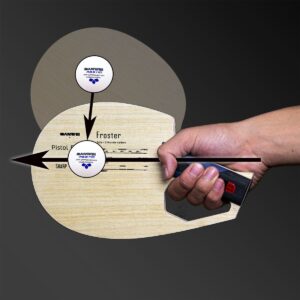
What Is the Fastest Way to Improve Your Table Tennis Skills?
Over the years, I’ve met many table tennis players who train several times a week but struggle to see meaningful improvement. Some spend hours practicing their forehand, others buy new blades and rubbers, and some constantly try to copy the techniques of professional players. Yet their results remain almost the same. Why does this happen?
Why Haven’t I Improved Even After Trying So Much Table Tennis Equipment?
Have you ever bought a new table tennis blade because you wanted more power, changed your rubber because you wanted more spin, and then switched to another setup because your control still wasn’t good enough? At first, the new equipment feels exciting. Your shots may feel faster, the ball may grip differently, and you start
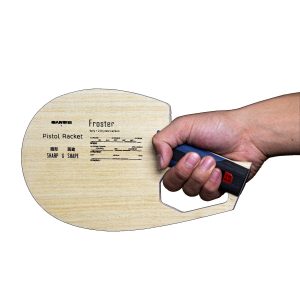
How Can Amateur Table Tennis Players Break Through Their Performance Plateau?
Have you been playing table tennis for years, but feel that your level is no longer improving? You practice regularly, play matches every week, and have developed a reasonably strong forehand. Yet you keep making the same mistakes, struggle against the same opponents, and find it difficult to take your game to the next level.
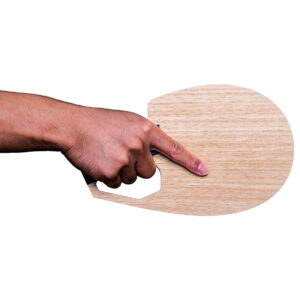
I’ve Been Playing Table Tennis for Years. Why Is My Progress Slowing Down?
Have you been playing table tennis for several years, but recently feel that your progress has almost stopped? You practice regularly. You play matches every week. Your forehand is stronger than it used to be, and you understand the game much better than when you started. Yet, somehow, you keep losing to the same types
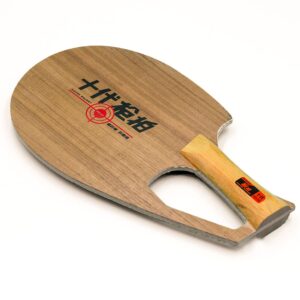
How Can I Improve My Placement Control in Table Tennis?
Have you ever tried to hit the opponent’s wide forehand, only to send the ball straight into the middle of the table? Or perhaps you see an open space and try to place the ball there, but your shot goes long or lands in the net. This is a common frustration among amateur table tennis
Why Is It So Difficult for Amateur Players to Maintain Consistent Strokes?
Have you ever watched a professional table tennis player rally and wondered how they can repeat the same stroke over and over again? Their forehands look effortless. Their racket seems to move along a familiar path, and even when the ball comes at different speeds, their technique remains remarkably stable. Now compare that with a
Why Do My Shots Have Such Different Quality Even When I Use the Same Stroke?
Have you ever noticed something frustrating during table tennis practice? You make what feels like the same forehand topspin twice. The first ball is fast, heavy, and full of spin. The second one comes off your racket much more slowly, with less spin and a completely different trajectory. Your swing looks almost identical, so what

How Can I Improve My Consistency During Table Tennis Matches?
Have you ever experienced this? During practice, your forehand is powerful, your topspin is consistent, and you can keep the ball on the table for a long time. But as soon as you enter a real match, everything seems to change. You start making simple mistakes, your attacks become less reliable, and even shots you
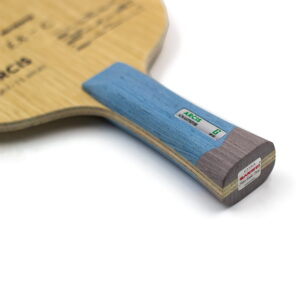
The Best Alternative to Butterfly Innerforce Layer ALC: Discover SANWEI Arcis
If you are searching for The Best Alternative to Butterfly Innerforce Layer ALC, you are probably looking for an inner-layer blade that can combine control, spin, stability, and offensive power. For modern table tennis players, especially those who rely on looping, choosing a blade is about much more than maximum speed. A good looping blade