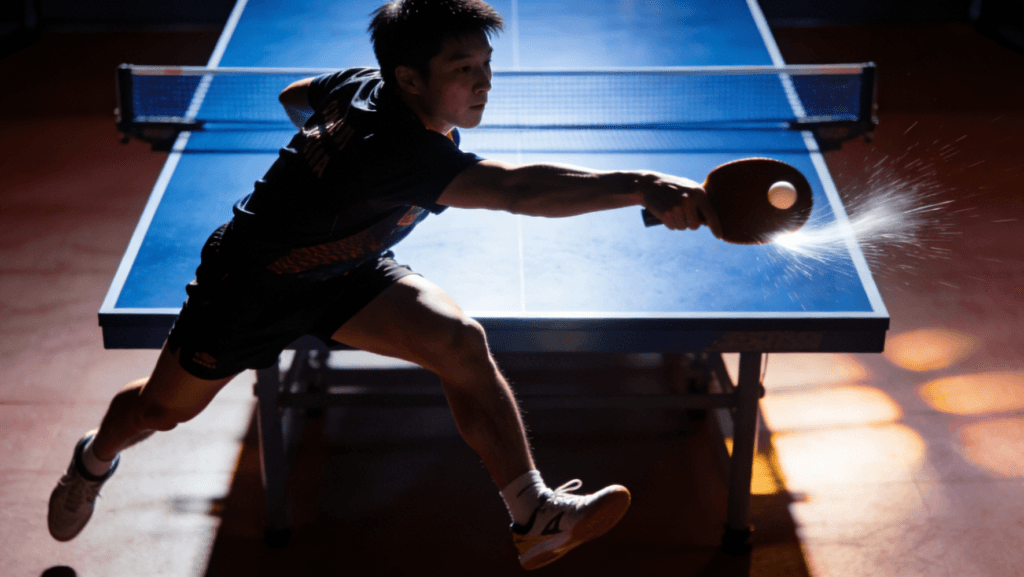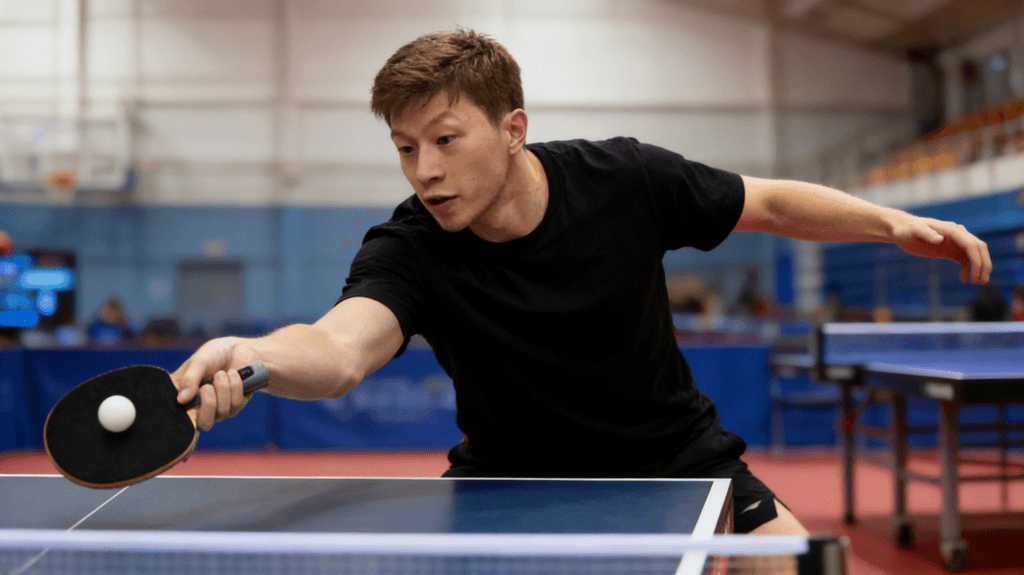
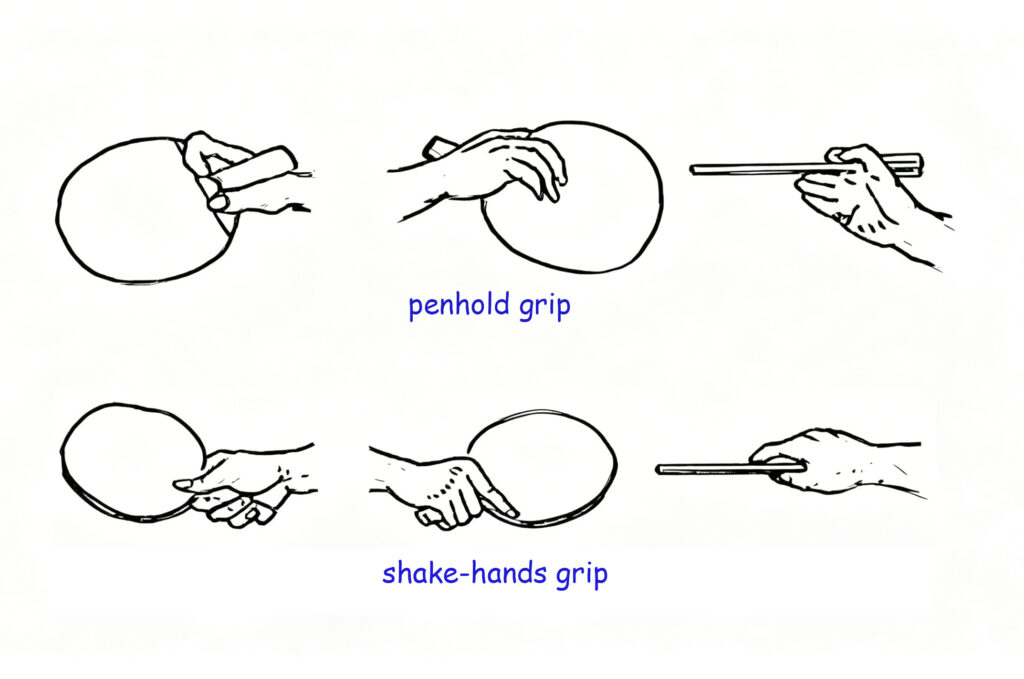
If you’re new to ping pong, one of the first decisions you’ll face is how to hold the paddle. There are two main grips: shakehand (like shaking someone’s hand) and penhold (like holding a pen). This shakehand vs penhold debate has been around for decades. Which one is better? Which one should you learn? In this table tennis grip guide, we’ll break down the pros and cons of each, help you make a ping pong grip choice, and explain why the BravoBee shakehand paddle is the perfect tool for the most popular grip. By the end, you’ll know which grip is best for your game – and spoiler alert: for 90% of amateurs, it’s shakehand.
What Are the Two Grips?
Let’s start with the basics.
- Shakehand: You hold the paddle as if you’re shaking hands with it. Your thumb rests on the forehand side, your index finger curls around the base of the rubber, and your other three fingers wrap around the handle. This grip is dominant in Western countries and is used by the vast majority of professional players outside Asia.
- Penhold: You hold the paddle like a pen, with your thumb and index finger gripping the handle while your other fingers curl against the back of the blade. This grip is more common in Asian countries and was famously used by legends like Liu Guoliang and Wang Hao.
Both grips have their strengths and weaknesses. But for most beginners, one is clearly superior.
Shakehand: The King of Western Amateur Play
If you walk into any club in North America or Europe, about 90% of players will be using shakehand. Why? Because it’s natural, balanced, and easier to learn. Here are the key advantages:
- Intuitive grip: Most people have shaken hands before. The motion feels natural. You don’t have to contort your fingers.
- Strong backhand: Shakehand allows for a powerful and consistent backhand. You can loop, drive, and block with ease.
- Easy to switch sides: With a slight wrist turn, you can move between forehand and backhand. The transition is smooth.
- Widely taught: Almost all tutorials, coaches, and online resources assume shakehand. You’ll find endless guidance.
- Forgiving: The grip is stable, which helps beginners develop consistent strokes without fighting their hand position.
For these reasons, the ping pong grip choice for most amateurs is clear: shakehand. And the BravoBee Carbon is designed specifically for this grip. Its FL (flared) handle is the standard shakehand shape – narrower near the blade and wider at the base. This flare prevents the paddle from slipping out of your hand during aggressive swings. The handle is also glued with natural adhesive for durability and features a comfortable contour that fits most hand sizes.
Penhold: Powerful Wrist, Steep Learning Curve
Penhold has its passionate advocates. The grip allows for incredible wrist snap, especially on the forehand side. Penhold players can generate heavy spin and tricky serves. The reverse penhold backhand (RPB) developed by players like Wang Hao has made the grip more versatile than in the past. However, for most amateurs, the downsides outweigh the benefits:
- Harder to learn: The grip feels unnatural to most Westerners. You’ll spend weeks just getting comfortable holding the paddle.
- Weak traditional backhand: Without RPB, the penhold backhand is limited. Learning RPB adds another layer of complexity.
- Less forgiving: The wrist‑dominant style requires precise timing. Mishits are more common.
- Fewer resources: Most beginner tutorials assume shakehand. You’ll have to hunt for penhold‑specific advice.
- Requires special paddles: Penhold paddles often have a straight (ST) handle, not a flared one. The BravoBee’s FL handle can be used for penhold, but it’s not ideal. Serious penhold players need a blade designed for that grip.
Unless you have a specific reason to learn penhold (e.g., you grew up playing that way or have a coach), it’s not recommended for casual amateurs. The shakehand vs penhold decision, for most people, is an easy one.
Which Grip Is Best for Beginners?
Let’s settle the debate. Which grip is best for a beginner? Shakehand. No contest. It’s easier, more common, and supported by the vast majority of equipment (including the BravoBee). You’ll progress faster, have more fun, and spend less time fighting your own hand. Penhold is a niche choice that only makes sense if you’re committed to mastering its unique advantages – and that takes years.
So if you’re buying your first table tennis grip guide paddle, get a shakehand paddle. The BravoBee Carbon is an excellent choice because its FL handle is ergonomic, non‑slip, and designed for hours of comfortable play.
Why BravoBee’s FL Handle Is Perfect for Shakehand
The BravoBee’s handle is a flared (FL) shape. This is the industry standard for shakehand players. Here’s why it works so well:
- Prevents slipping: The flare at the base catches your palm, so you can keep a relaxed grip without fear of dropping the paddle.
- Ergonomic contour: The handle is shaped to fit the natural curve of your hand. No sharp edges or pressure points.
- Natural glue adhesive: The handle won’t loosen or twist over time. Many cheap paddles develop a creaky handle – not the BravoBee.
- Three impact reduction slots: These not only filter bad vibrations but also add a subtle texture for extra grip security.
- Lightweight (≤175g): A heavy handle can cause wrist fatigue. The BravoBee’s low weight lets you play longer without discomfort.
When you hold a BravoBee, you’ll immediately feel why shakehand is the dominant grip. The handle guides your hand into the correct position. You won’t have to think about where your fingers go – it just feels right.
Can You Play Penhold with BravoBee?
Technically, yes. You can hold any paddle with a penhold grip. But the BravoBee’s FL handle is not optimized for penhold. The flare can get in the way of your fingers, and the weight distribution is designed for shakehand. If you’re serious about penhold, you should buy a paddle with a straight (ST) handle or a dedicated penhold blade. That said, for casual play or experimentation, the BravoBee will work – just know that you’re not using the ideal tool.
For the vast majority of our readers, we recommend sticking with shakehand and enjoying the BravoBee as it was intended.
How to Hold the BravoBee with Shakehand Grip
Here’s a quick refresher on the correct shakehand grip using the BravoBee:
- Place the handle diagonally across your palm, with the edge resting against the base of your thumb.
- Wrap your middle, ring, and pinky fingers around the handle. Keep them relaxed – no death grip.
- Curl your index finger along the back of the rubber. Don’t point it straight; a slight curl gives you more wrist freedom.
- Rest your thumb on the forehand side of the blade, opposite your index finger.
- The V‑shape between your thumb and index finger should align with the handle’s flare. This gives you the most control.
Practice bouncing a ball on the paddle to get comfortable. The BravoBee’s vibration reduction slots will give you clear feedback on your contact point. If you feel a harsh vibration, you may be gripping too tightly. Relax your hand.
Common Grip Mistakes and How to Fix Them
Even with a great handle, beginners often develop bad habits. Watch out for:
- Gripping too tight: Relax. Use the flare to your advantage – the paddle won’t fly away.
- Index finger pointing straight: This locks your wrist. Curl it slightly.
- Thumb too high: Your thumb should be near the base of the blade, not up on the rubber.
- Wrist locked: Your wrist should be neutral but able to bend easily. Practice flicking the paddle without moving your arm.
The BravoBee’s comfortable contour and natural feedback will help you correct these errors over time.
Conclusion: Keep It Simple – Get BravoBee and Learn Shakehand
The shakehand vs penhold debate is interesting, but for 90% of amateur players, the answer is clear: shakehand. It’s easier to learn, more versatile, and supported by the best equipment for beginners. The BravoBee shakehand paddle with its FL handle is the perfect tool for mastering this grip. So don’t overcomplicate your ping pong grip choice. Follow this table tennis grip guide, grab a BravoBee, and start playing. You’ll be glad you did.
👉 Get your BravoBee here and start with the right grip from day one. Your game will thank you.
What grip do you use? Share your experience in the comments – I’d love to hear what works for you!
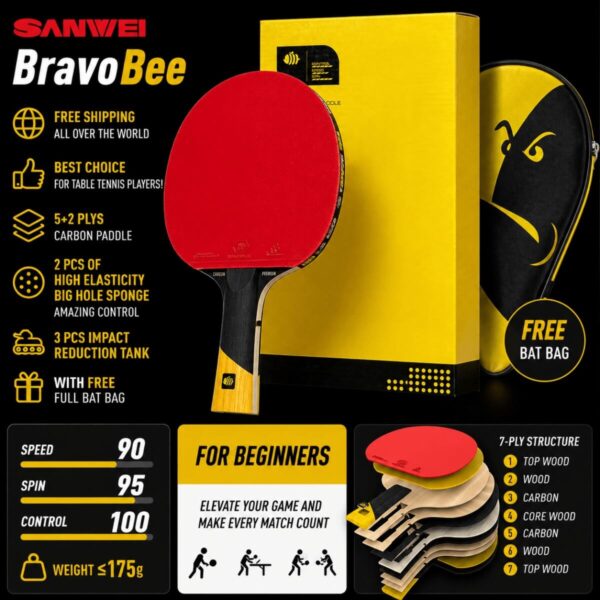
BravoBee Carbon Ping Pong Paddles
- Free Shipping All Over The World
- Best choice for table tennis players!
- 5+2 plys carbon paddle
- 2 pcs of high elasticity big hole sponge, amazing control
- 3 pcs Impact reduction tank
- with FREE full bat bag