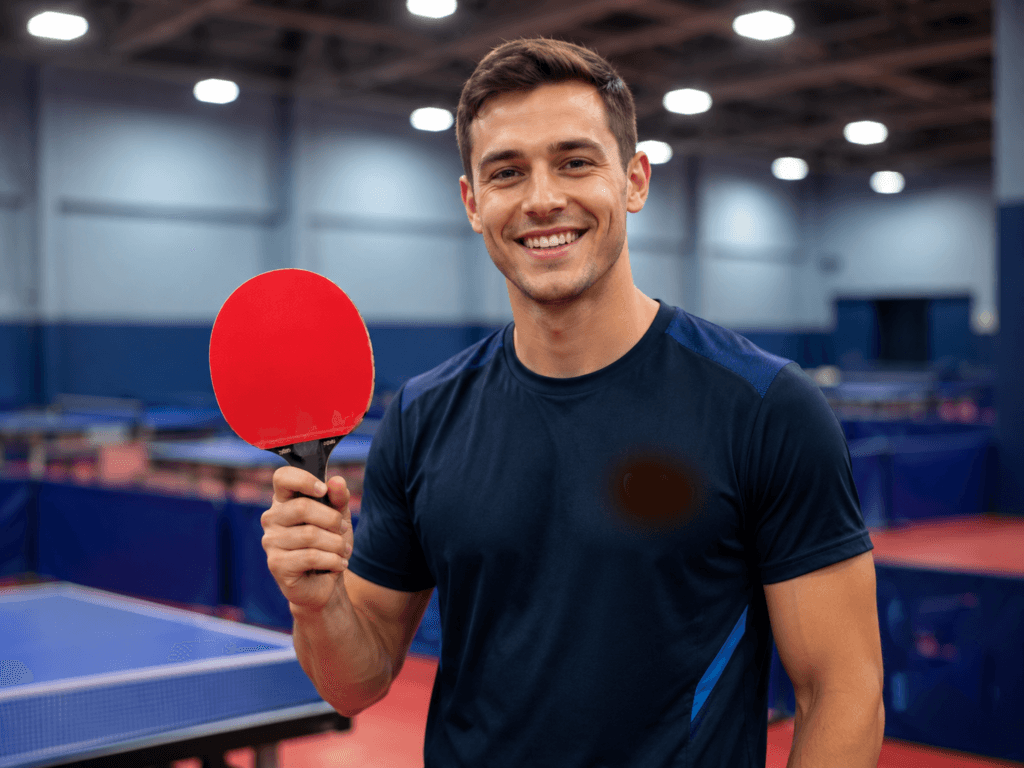
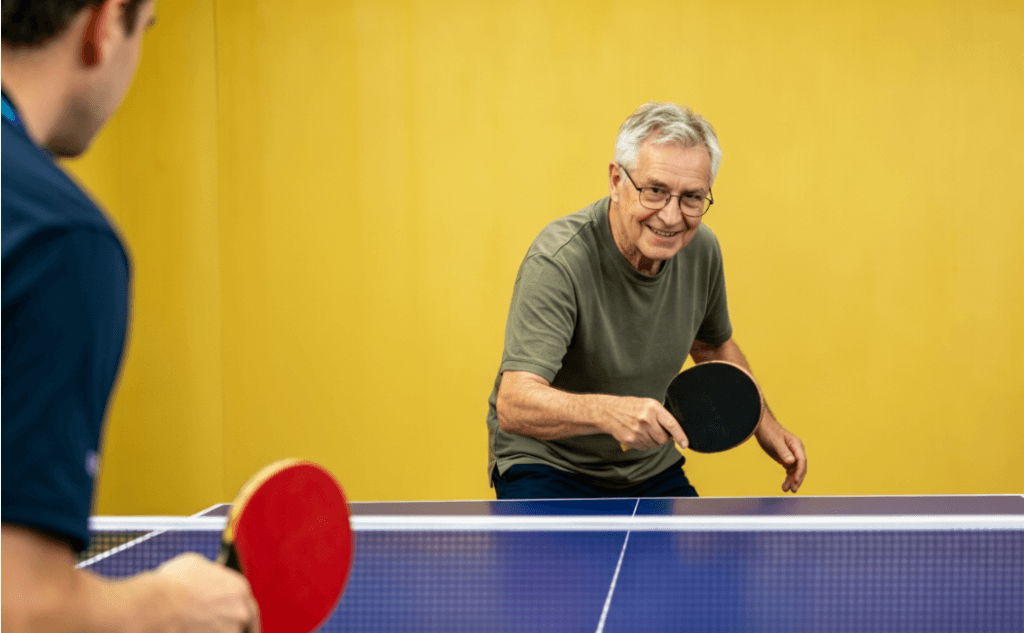
When you think of ping pong, you probably think of basement rec rooms or office breakrooms. But neurologists are increasingly seeing the game as a powerful tool for managing Parkinson’s disease. Yes, ping pong Parkinson’s therapy is real, and it’s backed by science. Regular play has been shown to improve balance, coordination, and motor function in patients. That’s why more doctors are recommending table tennis for Parkinson’s patients as part of a comprehensive care plan. The sport acts as a gentle neurorehabilitation sport that stimulates the brain in unique ways. For those seeking motor symptom relief, the combination of hand‑eye coordination, rhythm, and social engagement can be transformative. And the right equipment – like the SANWEI BravoBee Carbon paddle – makes the game accessible and safe. This is BravoBee health in action. Let’s dive into why ping pong is becoming a neurologist‑approved therapy.
The Research: What Studies Show About Ping Pong and Parkinson’s
A growing body of research supports ping pong Parkinson’s therapy. A 2020 study from Fukuoka University in Japan followed 12 people with Parkinson’s who played ping pong once a week for six months. The results were striking: participants showed significant improvements in speech, handwriting, dressing, getting out of bed, and walking. Neck muscle rigidity scores improved from “moderate” to “mild” on average. It took participants from more than two attempts to get out of bed at the start to just one attempt by the end.
Another 2025 review in Cureus confirmed these findings, concluding that table tennis improves motor performance, balance, coordination, and activities of daily living in people with Parkinson’s. The review also noted cognitive improvements, including enhanced attention, visuospatial processing, and executive function. This isn’t just anecdotal – it’s evidence that table tennis for Parkinson’s patients offers real, measurable benefits. And the best part? It’s enjoyable, so patients are more likely to stick with it.
Why Ping Pong Works: Brain Stimulation Through Movement
Parkinson’s disease affects dopamine‑producing neurons, leading to symptoms like tremor, rigidity, and bradykinesia (slowness of movement). Neurorehabilitation sport like ping pong targets these symptoms directly. Here’s how:
- Rapid hand‑eye coordination: Tracking a small, fast ball forces the brain to process visual information and execute motor commands quickly.
- Rhythmic motion: The back‑and‑forth rally creates a steady tempo, which can help improve gait and fluidity.
- Balance and weight shifting: Lunging for wide shots and recovering to center challenges the vestibular system.
- Social engagement: Playing with a partner or group reduces isolation and depression, common in Parkinson’s patients.
The combination of physical, cognitive, and social stimulation makes ping pong uniquely effective. As one neurologist put it, “It hits the trifecta of what the Parkinson’s brain needs.” That’s why ping pong Parkinson’s therapy is gaining traction in clinics and community centers.
Real Stories: How Regular Play Changed Lives
Organizations like PingPongParkinson have collected powerful testimonials. Nenad Bach, a musician diagnosed with Parkinson’s at 56, credits ping pong with helping him continue to play guitar. “Without ping pong, I wouldn’t play the guitar anymore,” he says. “It gave me the chance to write a song about Parkinson’s and about the sport that brought me back to music.” His story is just one of many.
Another patient, 72‑year‑old Laini Weitz, started a “Parkie Pong” program at her local senior center. “The more I looked at it, the more I found all sorts of literature about how this is great for cognition and for spatial relationships, and for socialization and for strategy,” she explains. “It wasn’t just people talking, it was doctors who were saying this.” These real‑world examples show that motor symptom relief is possible through consistent, joyful play. And the right equipment makes it achievable for people with limited mobility.
How BravoBee Helps Older People and Parkinson’s Patients
Not all ping pong paddles are suitable for people with Parkinson’s. Many are too heavy, too fast, or have uncomfortable grips. The BravoBee Carbon was designed with comfort and control in mind, making it an ideal choice for BravoBee health applications:
- Lightweight (≤175g): Easy to swing without causing arm fatigue. This is crucial for patients with reduced strength.
- 100 control rating: The paddle is forgiving. Off‑center hits still land on the table, reducing frustration.
- Comfortable FL flared handle: The ergonomic shape fits naturally, and natural glue keeps it secure.
- Vibration reduction slots: Dampen harsh shocks, protecting sensitive joints and tendons.
- 95 spin rating: Even gentle brushing motions can generate backspin, making the game more engaging.
- Free water‑drop bag: Keeps the paddle clean and easy to transport.
For a Parkinson’s patient, a paddle that fights them is a dealbreaker. The BravoBee works with them, allowing them to focus on the therapeutic benefits without struggling with their equipment. Whether playing seated or standing, the lightweight design reduces strain.
How to Introduce Ping Pong to a Loved One with Parkinson’s
If you want to start ping pong Parkinson’s therapy with a family member or patient, here are some tips:
- Start slow: Use a table with a lower net or even a conversion top on a desk. Begin with soft taps, not full rallies.
- Focus on fun, not competition: Count how many times you can hit the ball back and forth. Celebrate every success.
- Use a lightweight paddle: The BravoBee’s ≤175g weight is perfect. Avoid heavy, dead paddles that cause fatigue.
- Adapt the environment: Ensure good lighting to see the ball clearly. Remove obstacles around the table.
- Play seated if needed: Many Parkinson’s patients can play from a wheelchair or chair. The table can be adjusted or a smaller portable net used.
- Be patient and encouraging: Some days will be better than others. The goal is movement and joy, not winning.
The BravoBee’s 100 control makes these adapted games possible. The ball stays on the table longer, which builds confidence and keeps patients engaged.
What Neurologists Are Saying
Dr. Elana Clar, a neurologist at Hackensack University Medical Center and advisory board member of PingPongParkinson, explains: “While all forms of exercise are beneficial, the thing that makes ping‑pong unique is that it incorporates a focus on balance, hand‑eye coordination, and the rhythm or pace of reciprocal play. So it really hits the trifecta of physical, cognitive and social activities.”
Many neurologists now recommend ping pong as a complementary therapy alongside medication and physical therapy. It’s low‑impact, affordable, and can be done at home. The BravoBee Carbon is the paddle of choice for many therapists because it removes the equipment barriers that often discourage patients. This is BravoBee health in practice: making therapeutic play accessible to all.
Conclusion: The Best Medicine Doesn’t Always Come in a Bottle – Sometimes It’s a Paddle
Ping pong Parkinson’s therapy is a rapidly growing field, backed by compelling research. Table tennis for Parkinson’s patients offers a unique combination of motor, cognitive, and social benefits. As a neurorehabilitation sport, it helps with balance, coordination, and even facial expression. Real patients have experienced motor symptom relief through regular play. And the BravoBee Carbon is the ideal paddle for this purpose – lightweight, forgiving, and comfortable. It’s a true tool for BravoBee health. So if you or a loved one is living with Parkinson’s, consider picking up a paddle. The science says it helps, and the smiles say it’s worth it.
👉 Get your BravoBee Carbon here and start your therapeutic ping pong journey today.
Do you or a loved one use ping pong for Parkinson’s therapy? Share your experience in the comments – your story could inspire others!
Disclaimer: This article is for informational purposes. Always consult a neurologist or physical therapist before starting any new exercise routine for Parkinson’s disease.
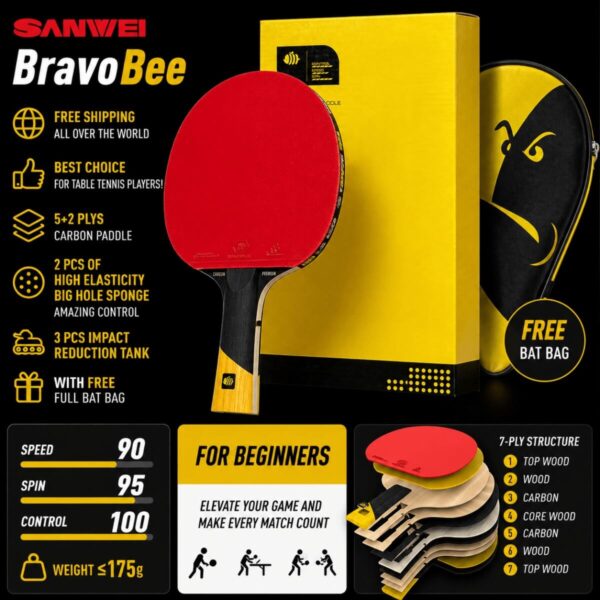
BravoBee Carbon Ping Pong Paddles
- Free Shipping All Over The World
- Best choice for table tennis players!
- 5+2 plys carbon paddle
- 2 pcs of high elasticity big hole sponge, amazing control
- 3 pcs Impact reduction tank
- with FREE full bat bag