
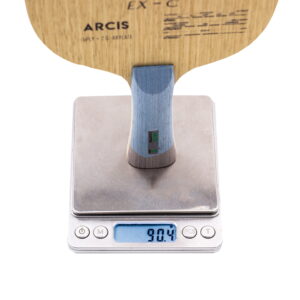
The Best Alternative to Harimoto Innerforce ALC Ovtcharov: Discover SANWEI Arcis
If you are searching for The Best Alternative to Harimoto Innerforce ALC Ovtcharov, you are likely looking for an inner-layer offensive blade that can deliver both control and power for modern looping. A blade for today’s topspin game needs to do more than generate speed. It needs to help you open against backspin, maintain stability
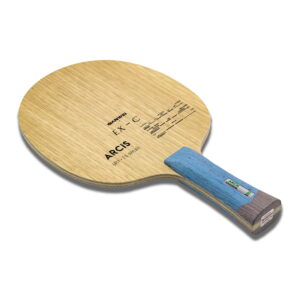
The Best Alternative to Nittaku Acoustic Carbon Inner: Meet SANWEI Arcis
If you are searching for The Best Alternative to Nittaku Acoustic Carbon Inner, you are probably looking for a blade that combines the feel of an inner construction with enough power for modern topspin play. For looping players, choosing the right blade is not simply about speed. You need a blade that can help you
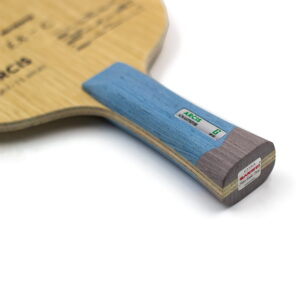
The Best Alternative to Butterfly Harimoto Innerforce ALC: Meet SANWEI Arcis
If you are looking for The Best Alternative to Butterfly Harimoto Innerforce ALC, you are probably looking for a blade that can deliver more than just speed. For modern looping players, a good blade needs to provide enough power from mid and long distance while still offering the control and dwell needed for opening loops
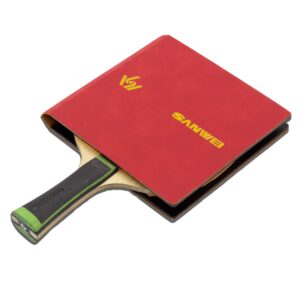
How to Protect Your Table Tennis Racket: A Complete Guide
A good table tennis racket is an important part of your game. Whether you use a professional blade with carefully selected rubbers or a ready-made racket, proper care can help keep your equipment in good condition and ready for your next match. Many players spend a lot of time choosing the right racket, but often
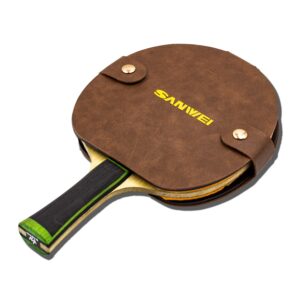
How to Protect Your Table Tennis Bat: A Complete Guide
A good table tennis bat is an important investment for any player. Whether you use a professional blade with carefully selected rubbers or a ready-to-play bat, taking proper care of your equipment can help keep it in good condition for longer. Many players spend a lot of time choosing the right blade, rubber, and playing
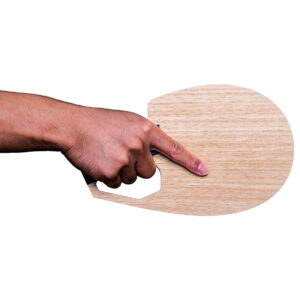
Can the Pistol Racket Really Improve My Stroke Stability?
Yes, I believe it can. But I want to make one thing clear first: a racket cannot replace good technique. If your footwork is poor, your timing is late, or you are always trying to hit the ball too hard, changing your racket will not suddenly solve everything. What I have found, however, is that
Why Is My Error Rate Always So High?
If you feel that you are making too many unforced errors in table tennis, the first thing I would look at is not your racket or rubber. I would look at how you swing the racket. Many players have enough strength and enough speed, but their shots are still inconsistent. One ball goes perfectly, the
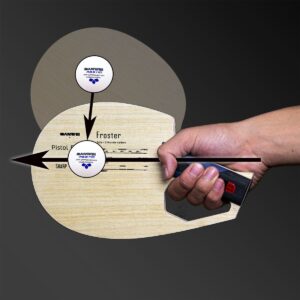
What Factors Have the Biggest Impact on Forehand Quality?
When players want to improve their forehand, they often ask me about speed, spin, rubber, or blade. These things certainly matter. But before looking at equipment, I would ask a much simpler question: What happens at the moment you actually hit the ball? In my experience, two factors have an especially important influence on forehand
How Can I Improve My Racket Face Control During Strokes?
When a player tells me, “I know the technique, but my racket face always seems to change at the last moment,” I usually don’t tell them to simply move their wrist less. The first thing I want to know is: Why does the racket face need so much adjustment in the first place? Good racket