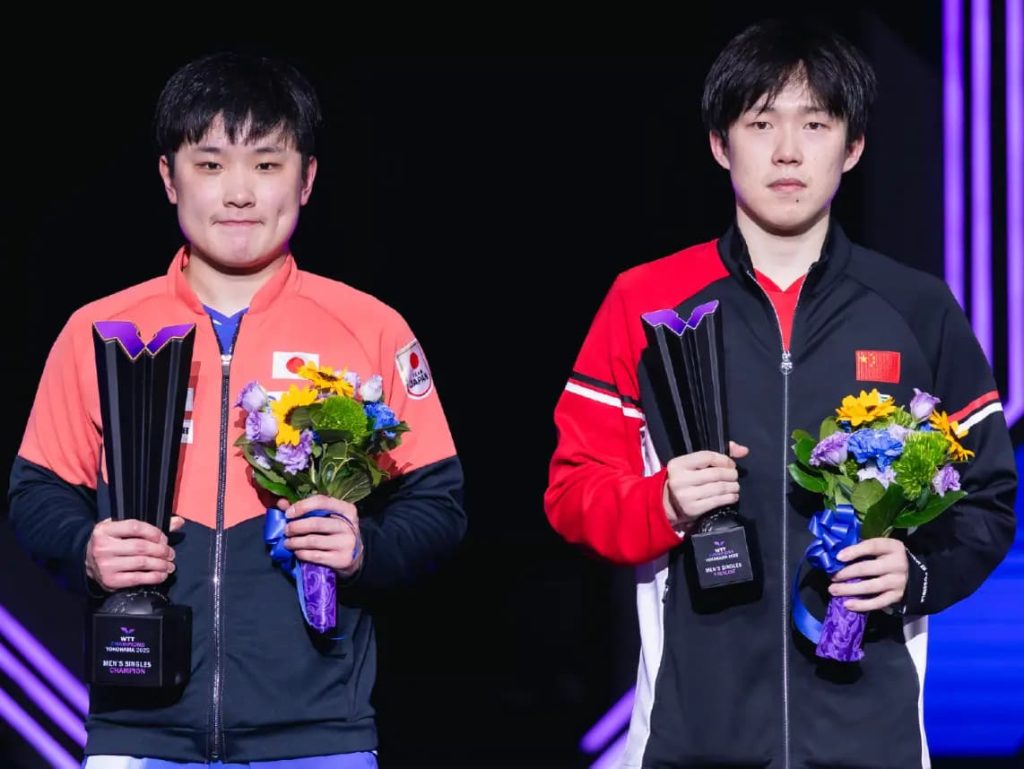
In the recently concluded WTT Yokohama Champions tournament, China’s men’s singles squad fell just short of the title. Olympic mainstay Wang Chuqin battled for six games in the final but lost 2-4 to Japan’s Tomokazu Harimoto, ending his eight-match winning streak against this opponent. Where did Wang’s game falter, and how did Harimoto turn things around? Did the medical timeout in the last game play a decisive role? Let’s break it down.
1. High unforced error rate in attack led to a more conservative game
One of the most visible problems for Wang was the high number of mistakes when initiating attacks. In previous encounters, his key weapon was a fast, high-quality three-ball sequence (serve, receive, third-ball attack) that overwhelmed Harimoto. This time, however, he squandered many opportunities on his own initiative.
As errors piled up, Wang’s mindset shifted toward safety over risk, which dulled his offensive threat and allowed Harimoto’s confidence to grow. The Japanese star also contributed to this by introducing changes that disrupted Wang’s rhythm.

Sanweisport-Professional Table Tennis Equipment Provider
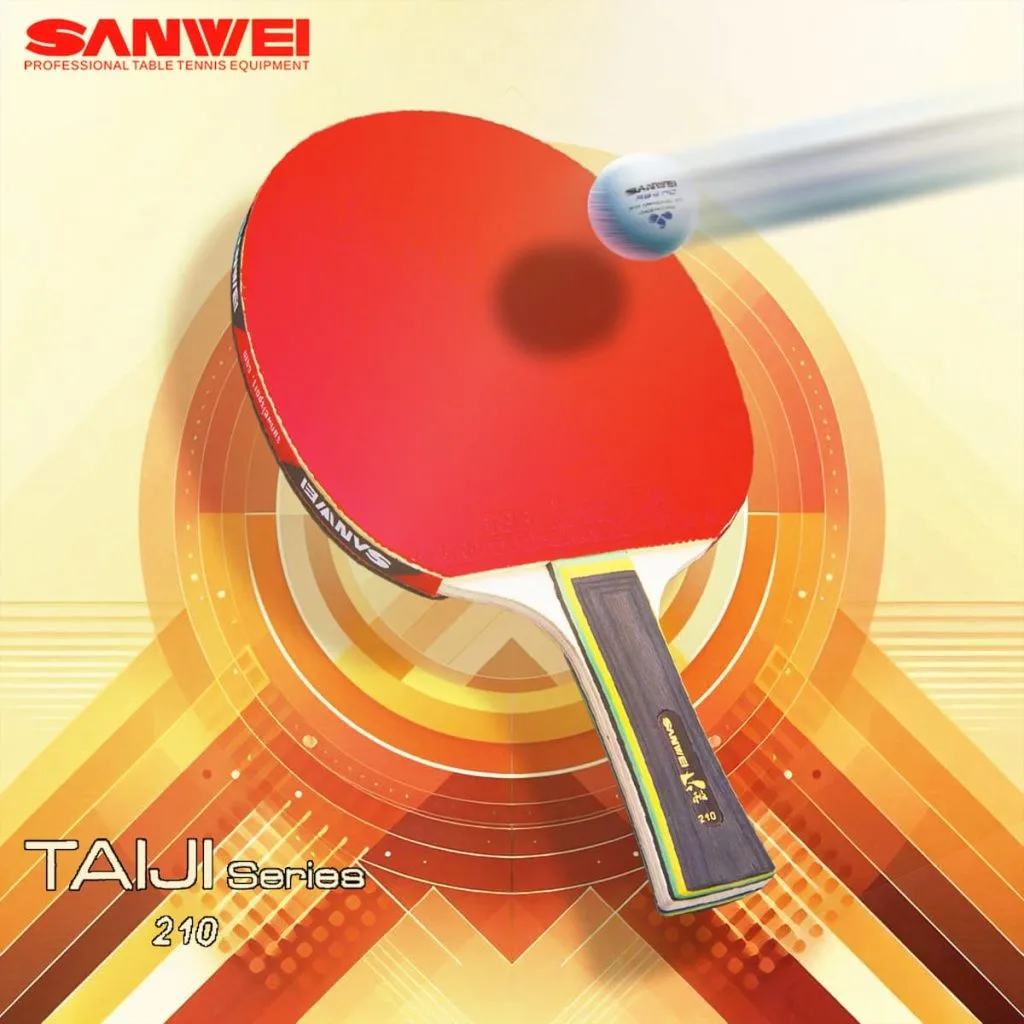
Only 11.9 USD
- Taiji 210 bat is an allround premade high quality table tennis bat for the starters, it’s the best seller and the most popular bat of the Taiji Bat series.
- The blade is made by 7 layers of decent pure wood, coated by two sides of ITTF approved rubber makes it useable for competition, with a comfortable flared handle.
- It saves your time for selecting from thousands of combinations and just gives you the right one with great quality/price ratio.
- 2-Stars Table Tennis Bat is perfect for amateur gamers !
- If you are interested in table tennis equipment, you can visit our Sanweisport homepage to select the most professional table tennis equipment. We will provide you with the best table tennis blades, rubbers, bat, and other products!
2. Harimoto’s improved defense–offense transition
In earlier years, Harimoto struggled with switching between attack and defense. He was overly aggressive early in his career, then drifted into a passive blocking style that gave opponents chances to seize the initiative. This inconsistency led to fluctuating results and some upset losses.
This time, Harimoto’s transitions were much smoother. When attacking, he left room for recovery; when defending, he maintained enough quality to prevent Wang from finishing points outright. Balls that Wang used to kill in one shot were now coming back, forcing him into longer rallies and unexpected situations.
3. Smarter handling of half-long balls and changes in topspin rhythm
Historically, half-long balls to Harimoto’s forehand were a weakness—his forehand fundamentals weren’t strong enough to explode on these shots, often producing soft attacks that opponents could counter.
In Yokohama, he opted for slower, heavy-spin shots instead: delayed touch with extra spin, or high-arc loops taken later in the bounce. While slower, these balls carried heavy rotation, disrupting Wang’s timing and reducing his speed advantage. This change in rhythm proved effective in neutralizing Wang’s early attacks.

4. The medical timeout’s real impact
Some fans pointed to Harimoto’s medical timeout in game six as a turning point. While it likely had some influence, its effect was probably limited:
Wang had been struggling all match in both strategy and execution. Even in the two games he won toward the end, he edged them by just two points.
Harimoto was already leading 4-2 before the timeout, and wasn’t showing signs of collapse. The timeout was within the rules and used strategically, so it’s hard to attribute the loss primarily to it.
Conclusion:
The loss was mainly down to tactical and technical issues rather than external interruptions. Wang’s recent run of titles and finals appearances shows his form is still strong, and occasional setbacks are part of elite competition. His challenge now will be to adapt to Harimoto’s improved all-round game and reclaim the edge in their rivalry.